BFF means "best friends forever," and you use it to name the friend you are closest to, as in "she's my BFF."
This guide covers how to use BFF in a text or a post, examples, variations such as bestie, where the initialism came from and the other things BFF can stand for.
BFF meaning in text messages
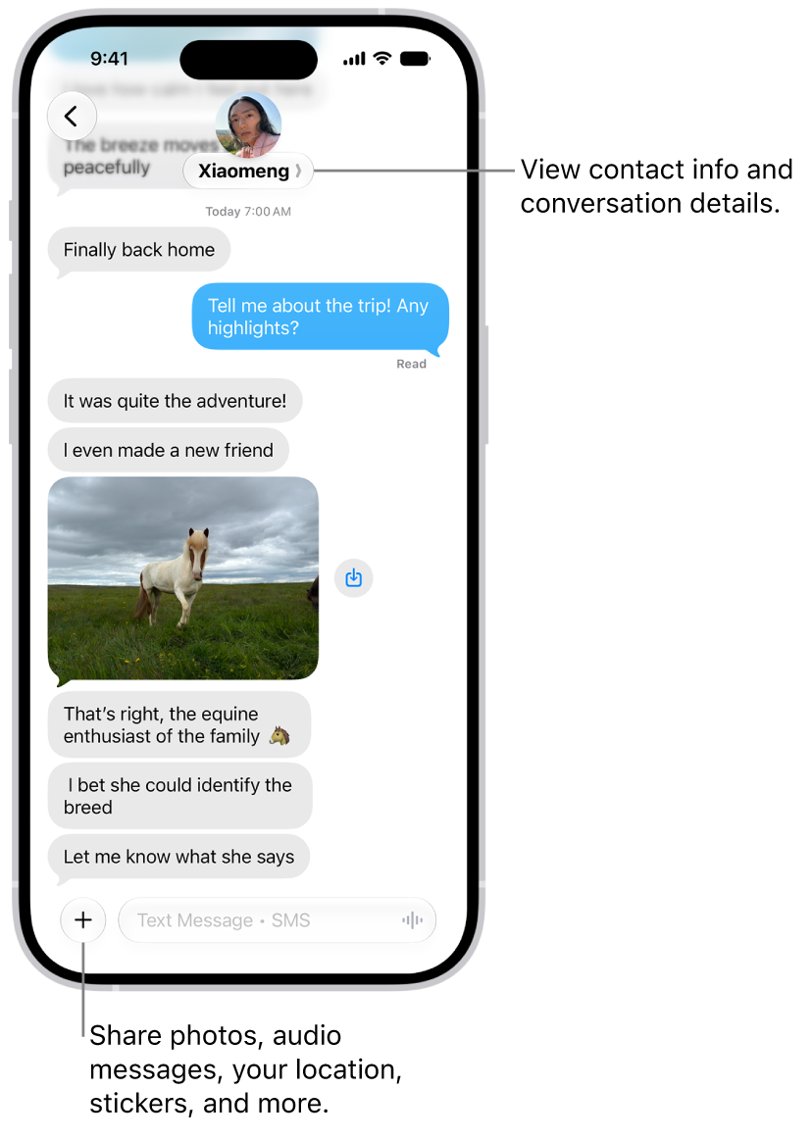
BFF is an initialism of "best friends forever." It describes a close, mutual friendship and works both as a label for one person and as a description of the friendship itself.
| If you see | It means | How to read it |
|---|---|---|
| "This is my BFF, Jess" | Jess is the sender's best friend | An introduction that signals a close bond |
| "BFFs since third grade" | Two people have been best friends for years | BFFs is the plural, describing both friends |
| "Love you, BFF" | A sign-off to a best friend | Affection, often at the end of a chat |
| "We're not exactly BFFs" | The two people are not close | A dry or joking way to describe a cool relationship |
| "BFF" in a tech or API document | Probably Backend for Frontend | A software design pattern, not friendship |
What does BFF mean, and how do you use it?
Each letter stands for one word, and the letters are read out one by one, so BFF is said "bee-eff-eff." Capitals are standard, though lowercase "bff" is common in casual texting.
| Letter | Word | What it adds |
|---|---|---|
| B | Best | This friend ranks above other friends |
| F | Friends | The relationship is a friendship, not a romance |
| F | Forever | The bond is expected to last |
Use BFF as a noun ("my BFF"), in the plural ("we're BFFs") or as a name in a sign-off ("night, BFF"). In each case it tells the reader the friendship is unusually close.
The origins of BFF
The idea of a best friend is ageless, but the short form BFF took off with instant messaging and text messages, where friends used it to sign off and express their friendship quickly, much as GTG signals the end of a chat.
| When | What happened | Effect on BFF |
|---|---|---|
| 1978 | Earliest written use of the acronym recorded by the Oxford English Dictionary | Shows BFF existed in print before the internet era |
| IM and texting era | Friends use BFF to sign off chats and texts on computers and cell phones | Turns BFF into everyday slang |
| September 16, 2010 | BFF is added to the New Oxford American Dictionary | Marks BFF as standard informal English |
| Today | BFF appears in texts, captions, film titles and songs | Most people understand it without explanation |
How to use BFF in everyday conversations
BFF fits casual places: texts, group chats, social media captions, birthday cards and messages to friends. It reads as warm and informal, so match it to the person and the setting.
- Use BFF only for someone who is genuinely your closest friend, or the label loses its meaning.
- Put it before a name to introduce someone, for example "Meet my BFF, Sam."
- Use BFFs when you describe both people, for example "We've been BFFs since college."
- Add it to a sign-off for a friendly close, for example "See you Saturday, BFF!"
- Pair it with a photo caption or birthday message, for example "Happy birthday to my BFF."
- Spell it out as "best friend" in formal writing, such as a speech, an essay or a work email.
BFF examples in texts and social media posts
| Where | Example | Why it works |
|---|---|---|
| Text to a friend | Can't wait for our trip, BFF! | Shows excitement and closeness in a few words |
| Photo caption | Ten years of being BFFs | Marks a friendship milestone |
| Birthday post | Happy birthday to my BFF, love you | Public, affectionate and short |
| Introduction | This is Priya, my BFF from high school | Tells the listener how close you are |
| Joke between friends | Me and my coffee maker: BFFs | Uses the label playfully for an object or habit |
| Sarcastic remark | My printer and I are not BFFs today | Signals frustration with humor |
Variations of BFF
Several words cover the same ground as BFF. The right one depends on how formal the message is and how clear you need to be.
| Term | Meaning | Best place to use it |
|---|---|---|
| BFF | Best friend forever, singular | Texts, captions, casual speech |
| BFFs | Best friends forever, plural | Describing two or more people who are best friends |
| Best friend | The same idea, spelled out | Any setting, including formal writing |
| Bestie | An informal word for best friend | Casual speech and social media |
| BF | Usually boyfriend, sometimes best friend | Avoid it when the difference matters; write BFF or boyfriend |
BF and BFF are easy to mix up in a quick text. If the reader could misread the relationship, the extra F or the full word removes the doubt.
Can you have more than one BFF?
Yes. BFF does not have to mean only one person. Some people keep the label for a single friend, while others use it for a close group of friends who are all BFFs to each other.
| Situation | How BFF is used | Example |
|---|---|---|
| One closest friend | BFF names that one person | "Ana is my BFF" |
| A tight friend group | Everyone in the group is a BFF | "Our group chat is just my BFFs" |
| Friends from different stages of life | Each can be a BFF in their own context | "My college BFF and my work BFF" |
BFFs are most common in primary school, secondary school and the teenage years. The label often shifts as people move away for college or work, though many friendships keep it for life.
How to reply when someone calls you their BFF
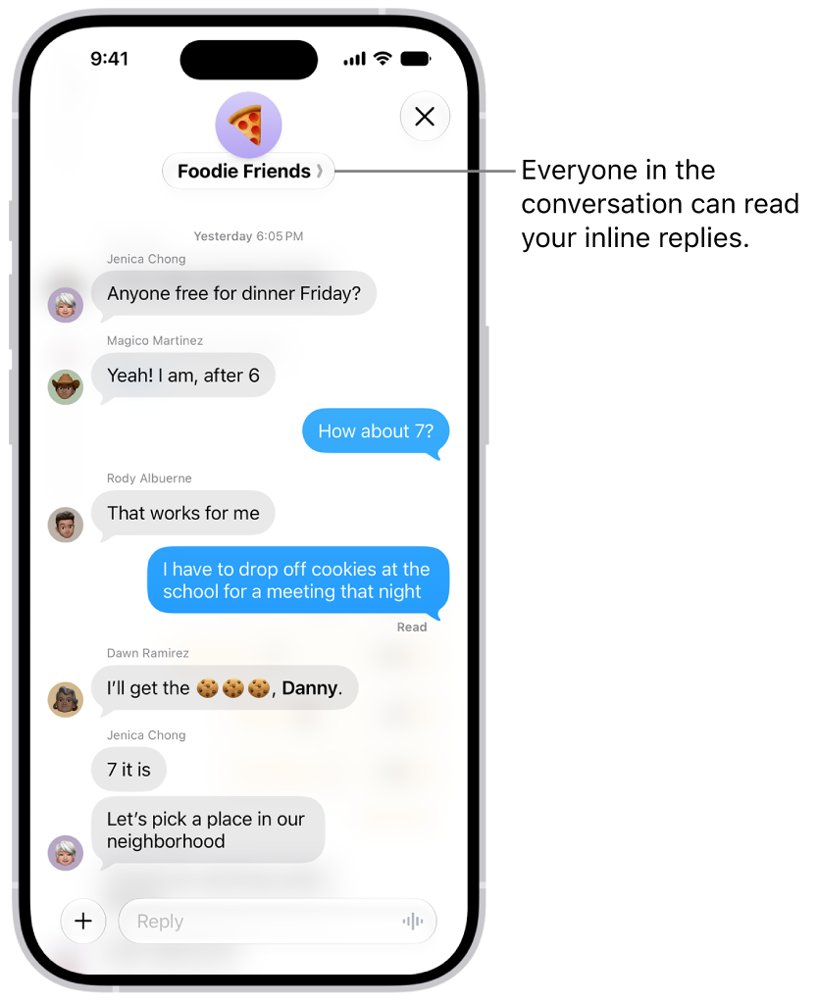
| Your reaction | Sample reply | Tone |
|---|---|---|
| You feel the same | Always, you're my BFF too | Warm and mutual |
| You want to keep it light | BFFs forever, obviously | Playful |
| You are touched by it | That means a lot, thank you | Sincere |
| You are not that close yet | Haha, give it time | Friendly without overcommitting |
| No time to reply in full | A heart emoji | Acknowledges the message |
BFF in popular culture
The phrase and the initialism have both been used as titles for films, TV series and songs.
| Title | Type | Detail |
|---|---|---|
| BFF: Best Friends Forever | Film | A 2009 Filipino comedy |
| Best Friends Forever | Film | A 2013 American female buddy road comedy |
| Best Friends Forever | TV series | An American sitcom |
| "Best Friends Forever" | TV episode | An episode of South Park |
| "BFF" | Song | A track by Kesha on the album High Road (2020) |
| "Best Friends Forever" | Song | A 2001 song by Tweenies |
Other meanings of BFF
Outside texting, BFF is also an abbreviation in software, sport and travel. The surrounding words usually make the meaning obvious.
| Field | BFF stands for | Where you would see it |
|---|---|---|
| Software development | Backend for Frontend | API design, where each web or mobile client gets its own backend layer |
| IBM AIX | Backup-file Format | A data archive format in AIX documentation |
| Music | Ben Folds Five | References to the American rock band |
| Sport | Bangladesh Football Federation | Football news from Bangladesh |
| Air travel | Western Nebraska Regional Airport | IATA airport code on tickets and flight boards |
| Language codes | Bofi language | ISO 639-3 code, written lowercase as bff |
When not to use BFF in a message
| Situation | Why BFF does not fit | Write this instead |
|---|---|---|
| Work email or report | Too casual for professional writing | "my close friend" or the person's name |
| School essay or application | Slang reads as careless in formal writing | "best friend" |
| Someone you have just met | Can feel too familiar too soon | "friend" |
| Reader unfamiliar with texting slang | They may not know the initialism | "best friend" in full |
| Technical document | BFF may be read as Backend for Frontend | Spell out the intended term |
Other chat initialisms follow the same rule of thumb. TIL for a new fact, YMMV for personal opinions and NBD for no big deal are fine with friends and awkward in formal writing.
BFF meaning FAQ
What does BFF stand for?
BFF stands for "best friends forever." It is an initialism, so each letter is said separately, and it names your closest friend or describes a very close friendship between two people.
Is BFF only used by girls?
No. Anyone can call a close friend their BFF, whatever their gender or age. The term is especially common among school-age friends, but adults use it too, in texts, captions and everyday speech.
Can you have more than one BFF?
Yes. BFF does not have to be exclusive. Some people use it for one friend, while others use it for a small group of friends who are all BFFs to each other.
What is the difference between BF and BFF?
BF usually means boyfriend, although some people use it for best friend. BFF means best friends forever and refers to friendship, so use BFF or write the word out when the difference matters.
When was BFF added to the dictionary?
BFF was added to the New Oxford American Dictionary on September 16, 2010. The Oxford English Dictionary records the earliest written use of the acronym in 1978.
Is it okay to use BFF at work?
Use BFF only in casual chats with colleagues you know well. In emails, reports and messages to clients, write "close friend" or "best friend" instead, because the initialism reads as informal slang.
What does BFF mean in programming?
In software development, BFF means Backend for Frontend. It is a design pattern where each client, such as a web app or a mobile app, gets its own backend layer shaped to its needs.
How do you pronounce BFF?
Say each letter separately: "bee-eff-eff." Nobody pronounces it as a word, and in speech many people simply say "best friend" instead of the initialism.