WDYM stands for "what do you mean?", and people type it in texts and online chats to ask for clarification or to push back on something that sounds wrong.
This guide covers how tone and punctuation change its meaning, how to reply, where it came from, how it reads on Snapchat, Instagram and TikTok, and similar abbreviations.
What does WDYM stand for?
WDYM stands for "what do you mean?" It is an internet slang and text-messaging initialism, usually typed in lowercase as wdym, that asks the other person to explain what they just said.
Slang dictionaries list related forms too: WDYMBT for "what do you mean by that?" and WTFDYM, a cruder and more aggressive version.
WDYM has no second meaning in everyday chat. If someone sends it, they want you to explain, or they are surprised by what you said.
WDYM meaning: tone, intent, and variations
The letters never change, but the intent behind WDYM does. Capitals, punctuation, emoji and the words around it tell you which tone the sender meant.
| How it is written | What it usually signals | Example |
|---|---|---|
| "wdym?" after a vague message | Genuine confusion: the sender needs more detail | "meet at the usual place" / "wdym? the cafe or the park?" |
| "wdym by …?" with a quoted word | A question about one specific detail | "wdym by later? tonight or tomorrow?" |
| "WDYM??" in capitals or with several question marks | Surprise or disbelief at news | "the concert got cancelled" / "WDYM??" |
| "bc wdym" or "wdym" with a laughing emoji | Playful disbelief, often a joke between friends | "I've never seen that movie" / "bc wdym 😭" |
| "wdym you forgot" written as a statement | Rhetorical disbelief or contradiction | The sender does not accept what you said |
| "wdym by that." with a full stop | A sharper challenge that can read as annoyed | Often follows a comment the sender took badly |
When the tone is unclear, read the whole message rather than the abbreviation alone. Context decides what texting shorthand means, and the same letters can be curious or confrontational.
How to use WDYM in texting and online conversations
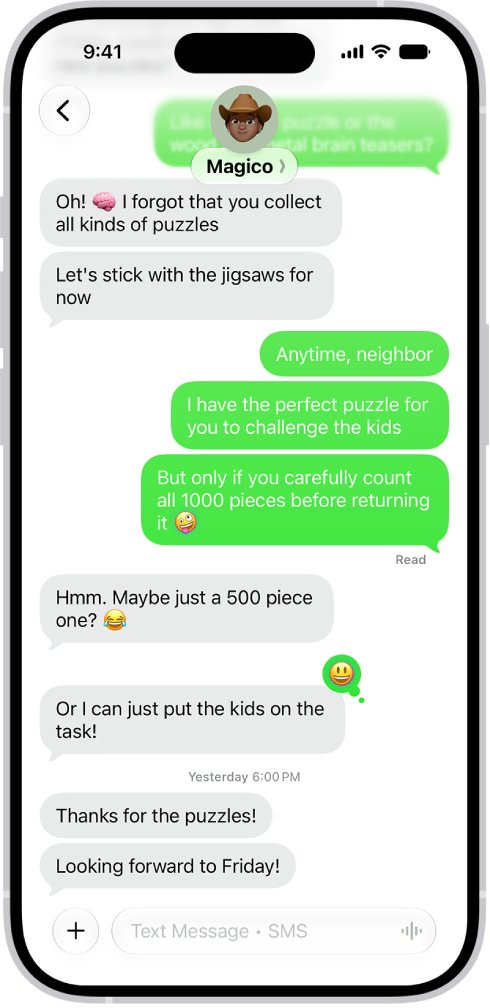
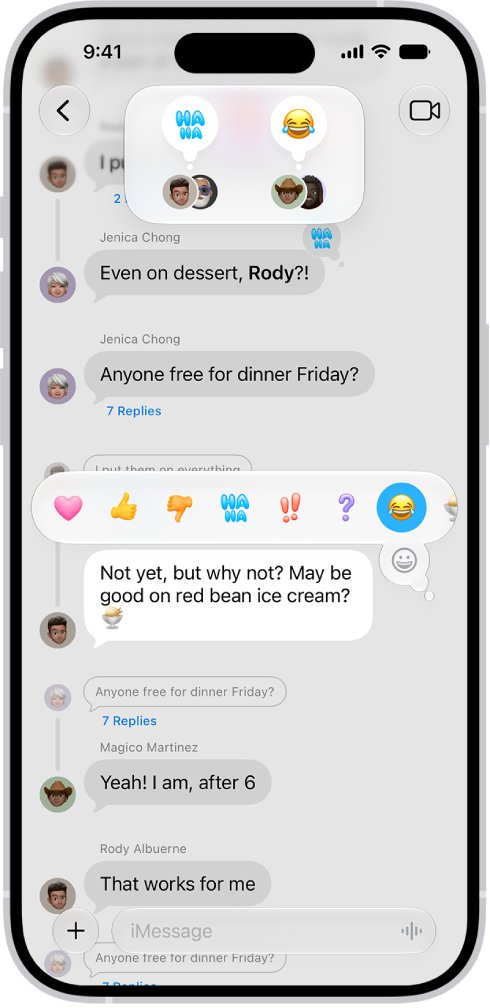
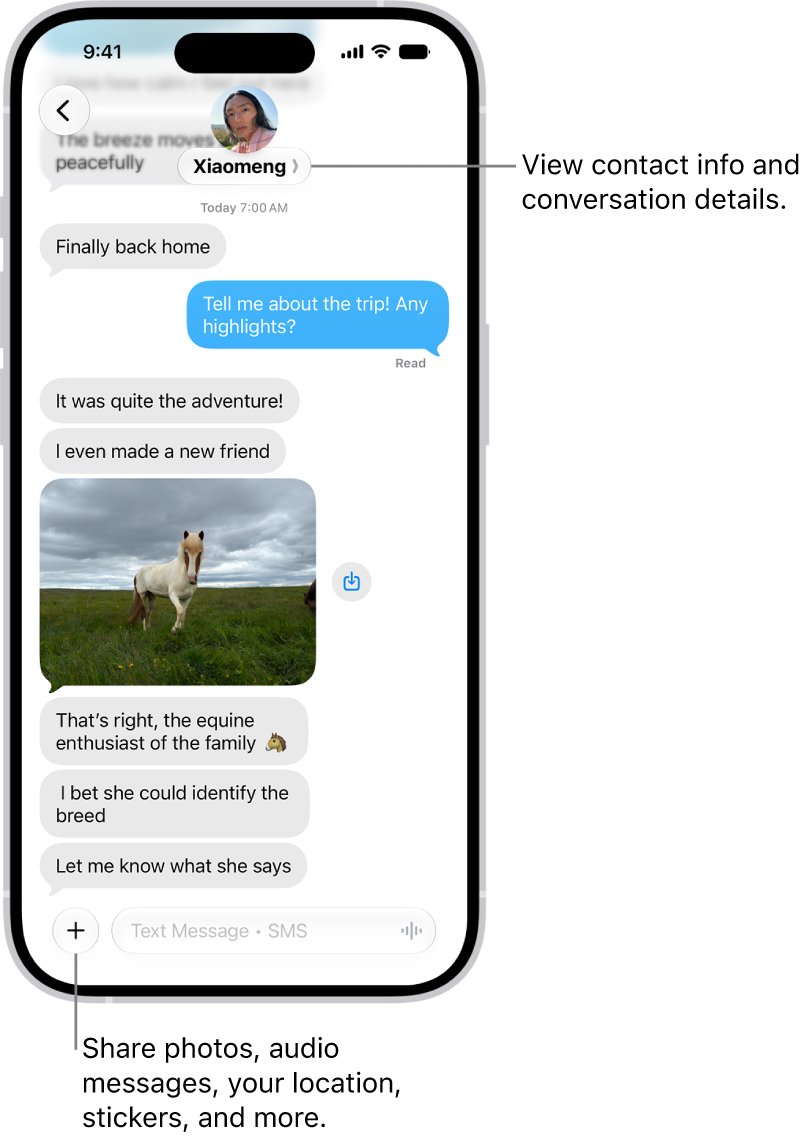
WDYM fits any informal chat: SMS, iMessage, WhatsApp, Discord, game chat and comment threads. It works best when the other person can tell exactly what confused you.
- Send it right after the message that confused you, so the other person knows what you are asking about.
- Add the unclear word or phrase after it, as in "wdym by soon?", to get a specific answer.
- Keep it lowercase with one question mark for a neutral, curious tone.
- Add an emoji or "lol" when you are surprised but joking, so it does not read as a challenge.
- Use capitals or several question marks only when you mean to sound shocked.
- Spell out "What do you mean?" with anyone who may not know the abbreviation, such as older relatives or new work contacts.
How to reply to WDYM in a text
A WDYM reply is a request for clarity, so the best answer is a clearer version of your last message, not a longer one.
- Reread your last message and find the part that was vague or could be read two ways.
- Restate it in plain words and add the missing detail, such as the time, place or person.
- If the WDYM read as disbelief, confirm the fact: "yes, it's really cancelled."
- If it read as a challenge, explain your reasoning calmly instead of matching the tone.
- If you cannot tell what confused them, ask back: "which part?"
WDYM on social media: Snapchat, Instagram, TikTok
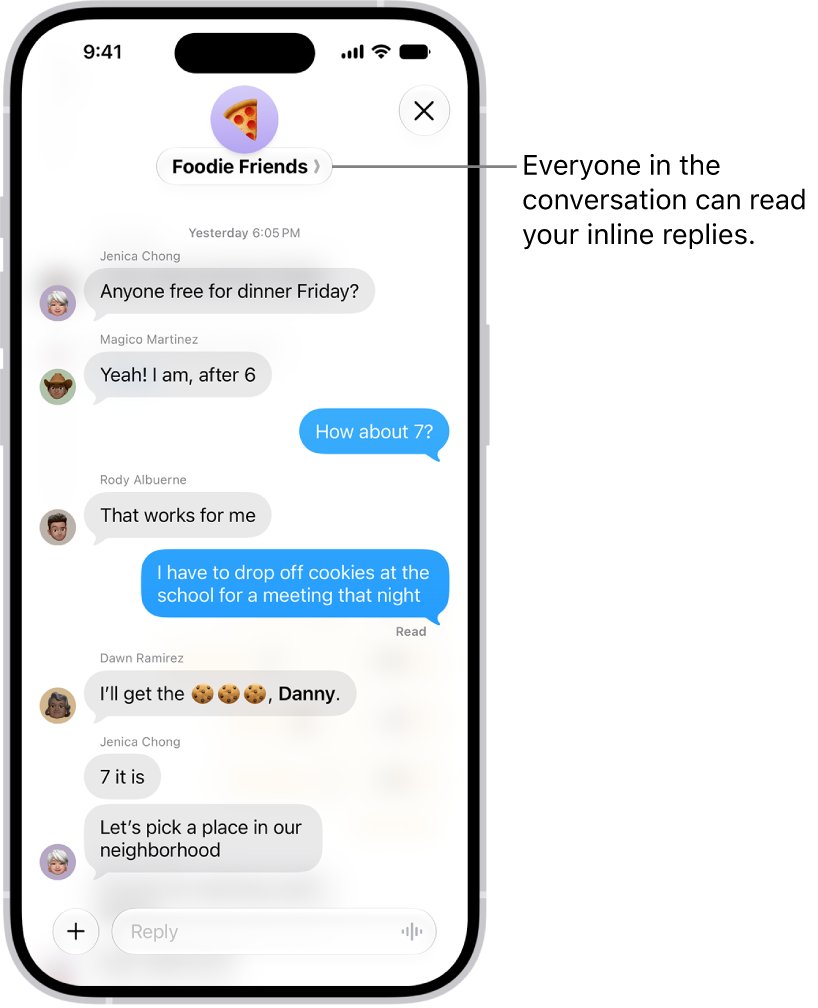
WDYM means the same thing on every platform. What changes is where it appears and whether the audience is one friend or a whole comment section.
| Platform | Where you see WDYM | What it usually means there |
|---|---|---|
| Snapchat | Chats and replies to Snaps or Stories | A quick, casual request for detail between friends |
| Direct messages and post comments | In DMs, plain confusion; in comments, often disbelief at a caption or claim | |
| TikTok | Comments under a video | A reaction to something said in the video, from joking disbelief to a real challenge |
| WhatsApp, iMessage and Discord | One-to-one and group chats | Asking a friend or the group to explain a plan or a joke |
Public comments carry more risk than private chats. A blunt "wdym" under someone's post can read as an argument starter to people who do not know you.
Where did WDYM come from?
WDYM belongs to SMS language, the shorthand that spread with mobile phone texting in the late 1990s and early 2000s. Its pattern, the first letter of each word, is the same one behind LOL, BRB and IDK.
| Period | What shaped the shorthand | Effect on how people write |
|---|---|---|
| Telegraph era | Messages were charged by the word, and operators used abbreviations when chatting between official messages | A clipped, concise style long before phones |
| Internet chat rooms | Fast typed conversations in chat rooms and IRC | Initialisms and reactive replies became normal |
| Late 1990s and early 2000s SMS | A 160-character limit, several key presses per letter on a keypad, and per-message fees | Whole phrases shrank to initials, such as WDYM for "what do you mean?" |
| Smartphones and free messaging apps | Touchscreens, autocomplete and free apps such as WhatsApp | Less need to abbreviate, but initialisms like WDYM stayed as a casual style |
WDYM in other languages
WDYM is an English initialism. Other languages ask the same question with their own phrase, and the polite form changes with the person you are talking to.
| Language | Casual (friends) | Polite or formal |
|---|---|---|
| Spanish | ¿Qué quieres decir? | ¿Qué quiere decir? |
| French | Qu'est-ce que tu veux dire ? | Qu'est-ce que vous voulez dire ? |
| German | Was meinst du? | Was meinen Sie? |
| Italian | Cosa intendi? | Cosa intende? |
| Portuguese (Brazil) | O que você quer dizer? | O que o senhor quer dizer? |
| Japanese | どういう意味? (dō iu imi?) | どういう意味ですか? (dō iu imi desu ka?) |
In a chat with people who do not use English text slang, spell the question out in the group's own language instead of sending WDYM.
Tips for using WDYM
The abbreviation is fine in casual chat, but it is not always the right choice. Match the situation to a row.
| Situation | Use WDYM? | Why |
|---|---|---|
| A friend sends a vague plan | Yes | It is the fastest way to ask for the missing detail |
| A group chat joke you did not get | Yes, with an emoji | The emoji keeps it light and shows you are not annoyed |
| A disagreement or tense conversation | No, spell it out | A bare WDYM can read as a challenge and escalate things |
| A work chat with a manager or client | No, write "Could you clarify …?" | Abbreviations can make the sender seem less sincere |
| Older relatives or someone new to text slang | No, spell it out | They may not recognise the initials |
| An email or formal message | No | Text shorthand does not belong in formal writing |
A 2024 study found that abbreviations in texts make the sender seem less sincere and lead to fewer replies, which is the strongest reason to spell it out when the answer matters.
Texting abbreviations similar to WDYM
| Abbreviation | Stands for | Use it when |
|---|---|---|
| WDYMBT | What do you mean by that? | You want the sender to explain one specific remark |
| WYD | What are you doing? | You are checking in or starting a chat |
| IDK | I don't know | You cannot answer a question |
| IKR | I know, right? | You agree strongly with what was said |
| SMH | Shaking my head | You disapprove or feel frustrated |
| FR | For real | You are confirming you mean it, or asking if they do |
| NVM | Never mind | You want to drop the question you just asked |
Chat shorthand runs on the same pattern everywhere, from TIL in texting to AFK in gaming chats. Forums and comment threads use the same style for tags such as NSFW for sensitive content and YMMV for results that vary.
WDYM meaning FAQ
What does WDYM mean in texting?
WDYM means "what do you mean?" in texting. People send it when a message is vague, confusing or surprising, and they want the other person to explain or add detail. It is usually typed in lowercase as wdym.
What is the full form of WDYM?
The full form of WDYM is "what do you mean?" It is an initialism, made from the first letter of each word, in the same way that IDK stands for "I don't know" and LOL for "laugh out loud".
Is WDYM rude to use?
WDYM is not rude by itself, but tone matters. A lowercase "wdym?" reads as curious, while capitals, a full stop or a tense conversation can make it sound like a challenge. Spell the question out when the conversation is serious.
How do you reply to WDYM?
Reply by restating your last message in plainer words and adding the missing detail, such as a time or place. If you cannot tell what confused them, ask "which part?" so you answer the right question.
What does WDYM mean on Snapchat, Instagram or TikTok?
It means "what do you mean?" on all three. In Snapchat chats and Instagram DMs it usually asks for detail, while in Instagram and TikTok comments it often signals disbelief or pushback at a claim in the post or video.
What does WDYM mean from a girl?
WDYM means the same thing whoever sends it: "what do you mean?" Read the punctuation and context to judge intent. A plain "wdym?" asks for detail, while "WDYM??" or a laughing emoji usually shows surprise or playful disbelief.
What does BC WDYM mean?
BC WDYM means "because what do you mean?" BC is texting shorthand for "because", and the phrase is used to show playful disbelief, often after a surprising or funny message and frequently with a laughing or crying emoji.
Should you put a question mark after WDYM?
A question mark is optional because WDYM already contains the question. Adding one keeps it neutral, two or more show surprise, and a full stop instead can make it read as a sharper challenge than you intended.