After Sleeping Tabs, Microsoft is here again experimenting with another feature for Edge, called “Startup boost”. As the name says, the aim of the feature is to start Edge quickly when you click on its shortcut on desktop or taskbar. Read how Edge accomplishes this below without impacting system resources.
Microsoft in a support article shares more details on how the feature works when enabled.
- A set of Microsoft Edge processes will run in the background when Edge is closed.
- Edge will be available immediately when you relaunch it next time.
- resource impact on the device will be less as Edge processes run in the background with low priority.
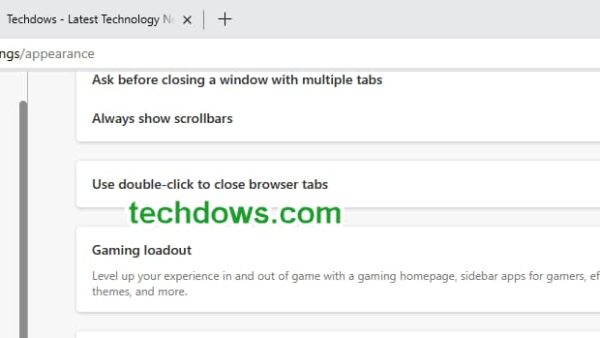
Microsoft quietly rolled out a setting to enable Startup Boost in Canary and is disabled by default, here is how you can turn it on.
Enable Startup boost feature in Microsoft Edge
- Launch Edge browser
- Click on Ellipsis icon > Settings > System
- Enable “Startup boost”

You can turn off Startup boost anytime by reversing the step you used to turn on the feature
- Visit Settings > System> turn off “Startup boost”
While It’s tough to say the feature has actually improved Edge startup time, expect Microsoft to come up with results of this experiment soon on this as they roll out to more devices in the future.
What do you say on Edge’s Startup boost feature? Let us know in the comments below
Related articles:
Fix Microsoft Edge’s “Installation failed due to unspecified error” in Windows 10 20H2
Microsoft tests Tab Strip for Edge PWAs in Canary
Microsoft investigates Edge for Mac’s ‘Keychain Not Found’ error [Workaround]
Microsoft Edge now lets you Edit Saved Passwords
Microsoft makes Edge download difficult in Windows 10